 Reviews

 Proudly American
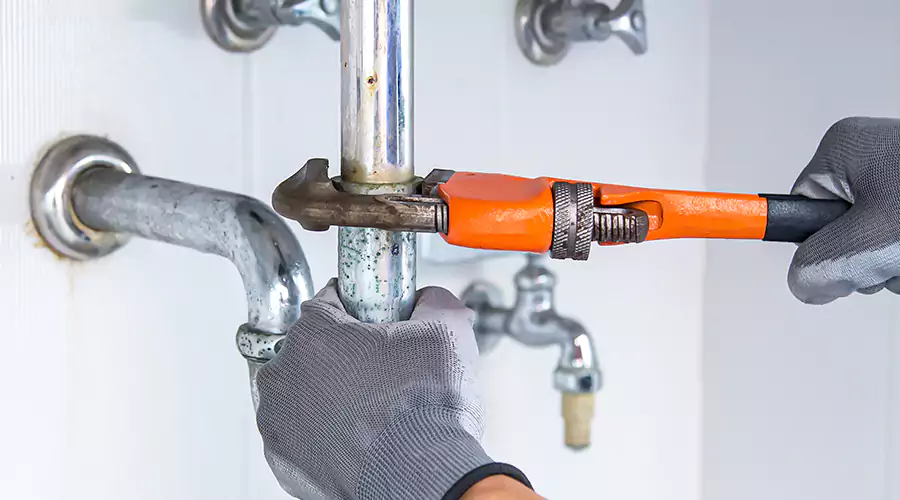
Sewer line problems are a serious concern for homeowners. From slow drains to sewage backups, these issues can lead to costly repairs, health hazards, and significant property damage. Understanding the common causes of sewer line problems allows homeowners to take preventive action and address concerns before they escalate.
This guide explains the most frequent factors that contribute to sewer line issues and outlines practical steps homeowners can take to protect their plumbing systems. Early detection and professional intervention remain essential to avoiding extensive damage and unexpected repair costs.
Why Sewer Line Issues Are Common in Residential Properties
Several environmental and structural factors contribute to sewer line problems in residential settings:
- High Groundwater Levels: Saturated soil places additional pressure on underground sewer pipes, increasing the risk of leaks or collapse
- Soil Movement: Expanding and contracting soil stresses sewer lines and underground plumbing connections
- Aging Infrastructure: Older homes often rely on sewer systems made from materials that deteriorate over time
- Tree Growth: Tree roots naturally seek moisture and frequently invade sewer lines through small cracks or joints
These conditions make regular inspections and proactive maintenance essential for long-term sewer system reliability.
Common Causes of Sewer Line Problems
1. Tree Root Intrusion
Tree roots are one of the leading causes of sewer line damage. Roots can enter sewer pipes through small cracks or loose joints and continue growing inside the line.
- Gradual blockage of wastewater flow
- Slow drainage throughout the home
- Cracked, split, or collapsed sewer pipes
Homes with older piping systems or large trees nearby are particularly vulnerable to root intrusion.
2. Pipe Corrosion and Aging Materials
Older sewer lines constructed from cast iron, clay, or galvanized steel are prone to corrosion and deterioration.
- Development of leaks and holes
- Mineral buildup that restricts flow
- Repeated clogs and backups
In many cases, aging sewer lines require partial or full replacement to prevent recurring plumbing issues.
3. Clogs from Foreign Objects
Improper disposal habits significantly contribute to sewer line blockages.
- Flushing wipes, sanitary products, or paper towels
- Pouring grease, oils, or food waste down drains
- Accumulation of debris over time
These materials can create stubborn blockages, leading to backups, odors, and fixture damage.
4. Ground Shifting and Soil Movement
Natural soil movement caused by rainfall, flooding, or settling can misalign or crack sewer pipes.
- Pipe separation or joint failure
- Stress fractures in underground lines
- Increased likelihood of leaks or collapse
Loss of supporting soil further weakens sewer systems and accelerates damage.
5. Severe Weather and Excess Water Exposure
Heavy rainfall and flooding place additional stress on sewer systems.
- Excess water infiltrates sewer lines, causing backups
- Debris enters drainage systems and worsens blockages
- Increased risk of pipe damage after storms
Sewer systems not designed to handle excessive water flow are especially susceptible.
6. Poor Sewer Pipe Installation
Improper installation or use of substandard materials can result in long-term sewer line problems.
- Incorrect pipe slope affecting wastewater flow
- Misaligned or poorly supported pipes
- Premature failure even in newer systems
Quality sewer pipe installation is critical for long-term performance and reliability.
Warning Signs of Sewer Line Problems
Homeowners should watch for early indicators of sewer line trouble, including:
- Slow drainage in multiple sinks, tubs, or showers
- Persistent sewage or foul odors indoors or outdoors
- Water or sewage backups in toilets or drains
- Depressions, cracks, or soft spots in the yard
- Unexplained increases in water usage or bills
Identifying these warning signs early helps prevent extensive damage and reduces health risks.
Preventive Measures for Homeowners
Proactive maintenance can significantly reduce the likelihood of sewer line issues:
- Schedule regular sewer line inspections with a licensed plumber
- Avoid flushing non-flushable items or pouring grease down drains
- Manage tree growth and install root barriers where needed
- Monitor yard conditions for signs of soil movement
- Ensure proper water and sewer pipe installation using quality materials
Preventive care protects both plumbing systems and property value.
Why Hire a Professional Plumber
Professional plumbers provide expertise and tools that are essential for managing sewer line issues effectively.
- Camera inspections to evaluate underground sewer lines
- Early detection of root intrusion, corrosion, or blockages
- Professional sewer pipe installation and repair solutions
- Preventive recommendations tailored to system conditions
Licensed professionals ensure sewer problems are addressed safely, efficiently, and in compliance with industry standards.
Conclusion
Sewer line problems commonly result from tree root intrusion, aging pipes, improper installation, soil movement, severe weather exposure, and household clogs. Ignoring early warning signs—such as slow drains, odors, or backups—can lead to costly repairs, health concerns, and structural damage.
Homeowners can minimize sewer line risks through regular inspections, responsible usage habits, and professional plumbing services. Addressing issues early ensures reliable sewer performance, protects property investment, and supports a safe, healthy living environment.
Proactive sewer line maintenance today helps prevent major plumbing emergencies tomorrow.